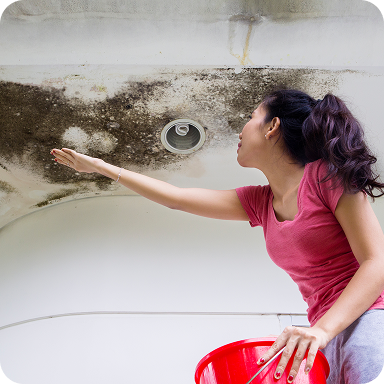
When moisture lingers, damage multiplies.
Water damage can begin in many ways — some sudden, others gradual and unseen. A single leak or small oversight can disrupt homes, business operations, and long-term property health.
Across Oregon and Washington, certified restoration professionals respond to these incidents every day. Restore Now 24/7 helps bring structure to that process by coordinating response, improving communication, and connecting property owners with trusted expertise.
Delaying repairs may appear harmless in the moment, but time is rarely on your side once water is involved. The longer moisture remains uncontrolled, the greater the cost, complexity, and scope of restoration required.
1. Secondary Damage Grows Faster Than You Think
Once water reaches drywall, insulation, or subflooring, deterioration accelerates. Within 24 to 48 hours, organic materials begin to swell or break down. Adhesives weaken, flooring lifts, and interior finishes start to separate.
Why it matters:
Even if surface moisture appears to dry, deeper layers may remain saturated. These areas require controlled drying to prevent long-term structural distortion or microbial growth.
Example:
A one-day delay in addressing a burst pipe in a ceiling can double the affected square footage and extend the drying period from three days to more than a week.
2. Microbial Growth Adds Health and Cost Risk
When moisture remains trapped, conditions become ideal for mold and bacteria to form. Growth can begin in as little as 48 hours under the right temperature and humidity levels.
Why it matters:
Once spores colonize porous materials, removal becomes significantly more invasive. Instead of simple drying, full containment and specialized filtration are required — increasing labor, time, and documentation demands.
Example:
A wet carpet pad left untreated for three days can turn a low-cost extraction job into a full mold remediation project with air quality testing requirements.
3. Electrical and Mechanical Systems Are Vulnerable
Water rarely stays confined to one material. It can wick into wiring conduits, electrical boxes, and HVAC ducts — areas that require professional inspection before reactivation.
Why it matters:
Moisture intrusion into electrical systems increases the risk of corrosion and short circuits. Waiting to assess or dry these areas can lead to unsafe conditions and more extensive system replacement later.
Example:
An HVAC return plenum exposed to moisture for a week may require duct replacement instead of cleaning, multiplying costs and downtime.
4. Insurance Coverage May Be Affected
Most insurance policies cover sudden and accidental water damage but may exclude losses caused by neglect or delayed response. Insurers rely on documentation that shows prompt mitigation.
Why it matters:
When restoration begins immediately, records of temperature, humidity, and moisture readings demonstrate responsible action — supporting claims and preventing disputes. Delayed starts create uncertainty that can limit coverage.
Example:
A homeowner who waits five days to begin mitigation after a plumbing leak may face partial coverage due to lack of immediate action, even with proof of the original event.
5. Restoration Timelines Expand Exponentially
Every day of delay adds drying time, repair scope, and coordination complexity. What could have been a one-week project can become a month-long process involving multiple contractors, adjusters, and inspections.
Why it matters:
Restoration cost increases are not linear. Materials degrade at accelerating rates once equilibrium is lost. Quick coordination prevents secondary trades and rework — saving both money and disruption.
Example:
If cabinets remain wet for more than 72 hours, swelling and delamination can make them non-restorable, turning a controlled mitigation into a full rebuild.
Recognizing Early Warning Signs
Early detection is the single most effective way to prevent escalation. Small visual or environmental cues often indicate that water is present long before serious damage develops.
Common indicators include:
- Subtle staining or yellowing on ceilings and drywall
- Warped or uneven flooring, particularly near sinks and appliances
- Peeling paint or bubbling along baseboards
- Unexplained musty or damp odors
- Sudden changes in indoor humidity levels
Responding quickly to these signs keeps costs low and restoration straightforward. The goal is not to panic; it is to act with clarity.
Preventing Escalation Starts with Awareness
Water damage is rarely static. Containment, drying, and verification need to begin as soon as the source is controlled. Regular maintenance and swift communication are the simplest ways to prevent secondary damage and financial strain.
Whether it’s a small leak or a significant loss, consistent response standards benefit every stakeholder:
- Homeowners avoid extended displacement.
- Property managers minimize operational downtime.
- Restoration partners work more efficiently.
- Insurers handle cleaner, faster claims.
Each hour saved in response prevents days of additional work later.
If Water Damage Occurs
When water loss happens, speed and structure define success. Restore Now 24/7 coordinates certified restoration professionals who respond quickly, document thoroughly, and communicate clearly — restoring stability from the first point of contact.

One Response
Best