When the storm passes, it’s easy to think the danger has passed too. But behind every fallen branch and puddle lies potential damage that reveals itself slowly — in roof seams, soaked insulation, weakened foundations, and overloaded drainage systems.
Storm recovery is not just cleanup. It’s assessment, containment, and prevention. Without a structured response, secondary damage often begins within hours.
Restore Now 24/7 exists to bring calm and coordination when severe weather leaves uncertainty behind. We connect property owners and managers with certified restoration professionals who handle the aftermath with precision, safety, and speed.
How Storm Damage Lingers
Severe weather impacts more than the surface. Wind, rain, and pressure shifts change the way a building moves and breathes.
After a storm, three forces continue to work against your property:
- Water intrusion that travels into unseen cavities, flooring, and walls
- Air pressure changes that pull debris and moisture into the structure
- Temperature fluctuation that causes materials to expand and contract, widening gaps and openings
Even a short storm can trigger a long-term chain of deterioration if moisture remains trapped or drainage is compromised. The best protection is timely inspection and coordinated follow-up.
1. Roof Damage Isn’t Always Obvious
High winds can lift shingles or flashing without breaking them completely. That small separation allows water to enter gradually with every rain.
Why it matters:
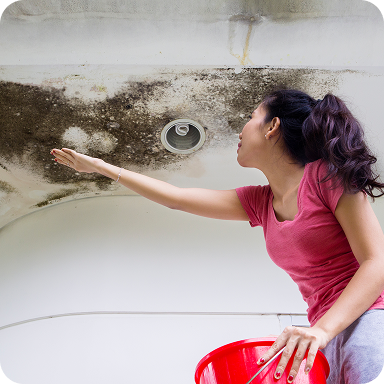
Even minor roof damage can let moisture migrate into insulation and ceiling cavities, creating slow leaks that appear weeks later.
Prevention:
Have a qualified technician inspect the roof perimeter, flashing, and gutters after every major storm. Interior attic checks for damp insulation or staining are just as important.
2. Siding and Windows Can Conceal Leaks
Impact from wind-driven rain or debris can compromise seals without visible cracks.
Why it matters:
Moisture intrusion around window frames or siding seams can lead to hidden mold or structural weakening.
Prevention:
Inspect caulking, trim, and interior wall corners for discoloration. Reseal joints as needed and verify that weep holes in window tracks remain clear.
3. Ground Saturation Threatens Foundations
Heavy rainfall saturates soil, adding hydrostatic pressure to foundation walls and crawl spaces.
Why it matters:
Water buildup at the foundation increases risk of seepage, structural cracking, and microbial growth under flooring.
Prevention:
Ensure gutters and downspouts discharge well away from the home. After major storms, check crawl spaces and basements for pooling and run dehumidifiers if needed.
4. Electrical and Mechanical Systems May Be Compromised
Lightning, flooding, and sudden power surges can stress electrical panels, HVAC systems, and sump pumps.
Why it matters:
Short circuits and hidden corrosion may not show immediately but can cause later failure or fire risk.
Prevention:
Have a licensed electrician inspect panels, outlets, and major appliances for moisture or damage before restarting systems. Replace filters and test sump pumps for full functionality.
5. Delayed Action Increases Cost and Risk
The longer water and debris remain, the faster deterioration spreads. Structural drying, sanitation, and documentation all become more complex and costly with time.
Why it matters:
Without quick response, secondary damage compounds the original loss — turning a day of cleanup into weeks of reconstruction.
Prevention:
Act quickly to document visible issues, and engage professional support early to prevent unseen ones from escalating.
Recognizing Hidden Storm Damage
Hidden damage often shows up slowly. Watch for:
- Soft or discolored drywall along exterior walls
- Musty odors or damp carpets days after the storm
- Flickering lights or tripped breakers
- Cracked trim or paint separation near ceilings
- Uneven doors or windows that suddenly stick
These are early warning signs of trapped moisture or minor structural shifts. Addressing them early saves significant time and cost.
The Coordinated Response Advantage
Storm recovery involves multiple disciplines — roofing, electrical, mitigation, and rebuild. Coordination prevents delays and duplication.
Restore Now 24/7 provides a single point of contact to align these efforts, ensuring the right professionals are dispatched, progress is tracked, and communication remains clear throughout the process.
This system keeps restoration efficient, transparent, and accountable from the first call to project closeout.
If Storm Damage Occurs
When severe weather strikes, clarity matters most. Restore Now 24/7 connects you with certified restoration professionals who assess, repair, and protect your property quickly and safely.