Structured readiness for the Pacific Northwest storm cycle.
Regional Outlook
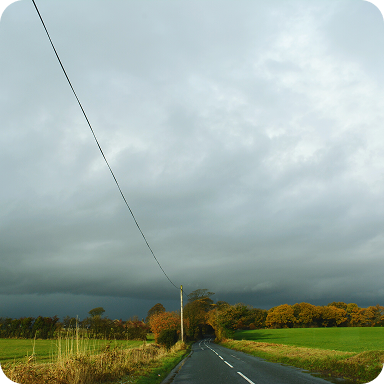
Storm activity across the Pacific Northwest intensifies from November through April, driven by moisture from the Pineapple Express and coastal wind fronts that often reach inland valleys. High rainfall, freeze-thaw cycles, and sudden wind gusts can stress even well-maintained properties. Early preparation minimizes disruption, protects assets, and ensures faster recovery when conditions turn.
1. Inspect and Fortify Critical Systems
Preventive inspection is the foundation of readiness.
Roof & Drainage
- Inspect shingles, flashing, and roof vents for separation or cracks.
- Clear gutters and downspouts; clogged drainage forces water under shingles and fascia boards.
- Extend downspouts at least 5 feet from the foundation to prevent saturation.
- Examine attic spaces for daylight gaps or damp insulation after rain.
Windows & Doors
- Reseal worn caulking and replace cracked panes.
- Test weatherstripping; replace where light or drafts appear.
- Secure storm doors and verify hinges and latches are rust-free.
Ground Grading & Sump Systems
- Confirm soil slopes away from the foundation by at least ¼ inch per foot.
- Clean exterior drains and window wells of debris.
- Test sump pumps annually; verify float switches engage and backup power is available.
Pro Tip: Schedule professional inspections each September and March—before the heavy-rain and thaw periods begin.
2. Secure Perimeter and Outdoor Areas
Wind and surface runoff can turn unsecured items into hazards.
Before Storms
- Anchor outdoor furniture, grills, and storage bins.
- Trim trees and remove weak branches within 10 feet of roofs or power lines.
- Relocate lightweight décor and planters indoors.
During Storms
- Stay clear of windows; close blinds to reduce glass-break risk.
- Avoid sheltering under trees or near tall fences during gusts.
After Storms
- Walk perimeters cautiously—watch for downed lines and unstable soil.
- Photograph visible damage before moving debris.
3. Protect Power and Plumbing Systems
Storms frequently trigger outages and temperature swings.
Electrical Readiness
- Install surge protection on major appliances and HVAC systems.
- Unplug non-essential electronics during severe weather.
- Keep flashlights ready; avoid using open-flame lighting.
Plumbing Protection
- Insulate exposed pipes in crawlspaces, garages, and exterior walls.
- Know the exact location of your main water shut-off valve.
- In freezing conditions, let faucets drip slightly to prevent burst pipes.
Technical Note: Rapid pressure changes during cold snaps can rupture elbows and fittings first—inspecting those annually prevents most failures.
4. Build an Emergency Support Kit
Preparedness ensures comfort and safety if utilities fail or travel becomes unsafe.
Recommended Contents
- Flashlights or headlamps | extra batteries
- First-aid kit | prescription list
- Non-perishable food & bottled water (3-day supply)
- Battery or crank radio for updates
- Portable chargers & power banks
- Gloves, masks, and blankets
- Waterproof pouch for IDs, policies, and cash
- Hard copy of emergency contacts and this plan
Pro Tip: Store kits on each property level, not just the garage—accessibility matters if movement is restricted.
5. Post-Storm Assessment and Documentation
Accurate assessment speeds recovery and insurance coordination.
Within 24 Hours:
- Conduct a visual inspection from ground level—note roofline shifts or siding displacement.
- Avoid entering flooded or structurally compromised spaces.
- Photograph every affected area before cleanup.
- Contact your insurance provider for claim direction.
- Request a professional moisture or structural inspection even if damage appears minor.
Avoid:
- DIY electrical or roof repairs.
- Discarding wet materials before documentation.
- Entering basements with standing water until utilities are confirmed safe.
6. Storm Readiness Command Checklist
Perform this review each fall and spring to maintain verified readiness.
☑ Roof and drainage cleared and inspected
☑ Tree trimming and debris removal completed
☑ Sump pump tested with backup power confirmed
☑ Emergency contacts and kit updated
☑ Insurance coverage and policy numbers verified
☑ Property walk-through scheduled for documentation
Restore Now 24/7
971-406-2926 | restorenow247.com
Emergency Coordination and Restoration Support for Oregon & Washington