Understanding the sources is the first step to prevention.
Water damage can begin in many ways — some sudden, others gradual and unseen. A single leak or small oversight can disrupt homes, business operations, and long-term property health.
Across Oregon and Washington, certified restoration professionals respond to these incidents every day. Restore Now 24/7 helps bring structure to that process by coordinating response, improving communication, and connecting property owners with trusted expertise.
Here are five of the most common sources of water damage, along with practical steps to help reduce the risk and impact.
1. Plumbing and Pipe Failures
Pressurized systems move water through walls, floors, and foundations every day. When fittings loosen or pipes corrode, small leaks can escalate quickly.
Prevention:
Inspect exposed pipes beneath sinks and inside cabinets at least twice a year for corrosion, mineral buildup, or damp surfaces. Test shut-off valves to confirm they close fully. If your property is older, schedule a licensed plumber to pressure-test the system every few years. Small drips often begin at joints or compression fittings; catching them early prevents wall and floor damage later.
2. Roof and Gutter Deterioration
A home’s exterior envelope is its first line of defense. Damaged shingles, compromised flashing, or clogged gutters allow water to migrate into ceilings, insulation, and wall cavities.
Prevention:
Clear gutters and downspouts before the rainy season, ensuring runoff flows several feet from the foundation. After heavy wind or ice, check for lifted shingles and damaged flashing around vents or chimneys. Inside the attic, inspect for daylight gaps or damp insulation. Early attention to roof drainage keeps moisture out of insulation and ceiling cavities.
3. Appliance and Fixture Leaks
Water heaters, dishwashers, and washing machines are frequent sources of hidden water loss. Seals, hoses, and fittings weaken over time, often in places where moisture goes unnoticed.
Prevention:
Use braided-steel supply hoses on washing machines and dishwashers, replacing them every five years or sooner if frayed. Place drip trays beneath water heaters or refrigerators with ice makers. Check around fixtures for soft flooring or bubbling paint; these are early signs of hidden moisture. A five-minute monthly check saves thousands in flooring and cabinet repairs.
4. Drainage and Foundation Saturation
Improper grading, blocked drains, or failing sump systems allow water to collect around the base of a structure. Over time, this moisture can compromise foundations or create subterranean seepage.
Prevention:
Grade soil so it slopes at least six inches downward within the first ten feet away from the foundation. Extend downspouts four to six feet from the structure or connect them to underground drains. Inspect sump pumps twice a year and test backup power sources. If pooling occurs after storms, consider adding a French drain or surface drain to move water efficiently away from the perimeter.
5. HVAC and Condensation Issues
Air conditioning systems and ductwork generate condensation that can accumulate unnoticed. When moisture lingers in enclosed areas, it encourages microbial growth and structural decay.
Prevention:
Have a licensed technician service HVAC units each spring to clean coils and verify condensate drains are clear. Insulate cold-air ducts in humid areas to prevent surface condensation. Check for rust or moisture on supply vents, especially in attics or crawl spaces. In high-humidity regions, use a dehumidifier to keep levels below 50 percent; moisture control begins with air balance.
Recognizing the Signs Early
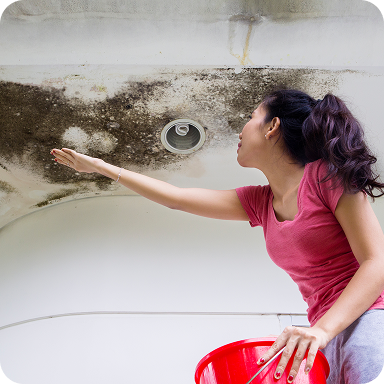
Many indicators of water damage appear before leaks become visible. Subtle ceiling discoloration, uneven flooring, and persistent musty odors are early warnings that moisture may be present. Monitoring indoor humidity levels and responding quickly can prevent minor issues from developing into major restoration projects.
Early awareness empowers homeowners, property managers, and service teams to address small problems before they escalate, saving time, money, and materials.
A Coordinated Response Network
Behind every successful restoration outcome is communication. When water damage occurs, restoration professionals rely on fast, accurate information to act decisively.
By coordinating verified teams, facilitating updates, and ensuring accountability throughout the process, Restore Now 24/7 helps strengthen that communication chain from the first call to project completion.
This shared network approach ensures that when water damage happens, every stakeholder — homeowner, manager, and restoration partner — moves in alignment toward resolution.
Shared Responsibility, Shared Benefit
When small issues are identified early, restoration becomes faster, less invasive, and more cost-effective. Homeowners protect their investments. Property managers reduce disruption. Restoration teams operate more efficiently. Insurers see fewer preventable claims.
Water damage prevention is not one person’s task; it’s a shared system of vigilance.
If Water Damage Occurs
When water loss happens, speed and coordination matter most. Restore Now 24/7 connects you directly to certified restoration professionals who respond quickly, communicate clearly, and restore order from the first point of contact.