
Moisture control is the foundation of prevention.
Mold does not begin with sight or smell; it begins with moisture.
Every property, from new construction to historic homes, contains organic materials that can host mold once humidity, temperature, and surface contact align. In the Pacific Northwest, these conditions appear frequently because of long wet seasons, cooler temperatures, and limited sunlight in basements and crawlspaces.
Understanding how mold grows allows you to stop it before it spreads.
1. The Conditions Mold Needs
Mold spores are always present in the air, but they remain harmless until they find the right combination of:
- Moisture: Leaks, condensation, or high indoor humidity above 60 percent.
- Temperature: Most molds thrive between 68 °F and 86 °F.
- Food Source: Drywall paper, wood framing, carpet backing, or dust.
When these factors stay consistent for 24 to 48 hours, growth begins at the microscopic level. Once established, colonies can expand quickly, releasing new spores that travel throughout the property.
2. Early Signs to Watch For
- A musty or earthy odor, especially in basements, bathrooms, or near plumbing walls.
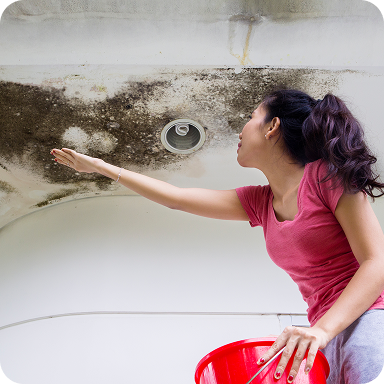
- Discoloration that looks fuzzy or irregular rather than a flat stain.
- Condensation on windows or cool surfaces that lasts for hours instead of minutes.
- Persistent allergy-like symptoms indoors that ease outdoors.
Catching these early clues allows inspection and correction before removal becomes costly.
3. Preventing Mold Through Environment Control
Prevention begins with managing water and airflow.
Moisture Management
- Repair plumbing leaks and roof issues immediately.
- Use exhaust fans when bathing or cooking.
- Keep indoor humidity between 35 and 50 percent using a dehumidifier in damp seasons.
- Ensure gutters and downspouts route water at least five feet from the foundation.
Air Circulation
- Move furniture a few inches from exterior walls to prevent condensation buildup.
- Keep closet doors slightly open in humid months for airflow.
- Replace HVAC filters regularly and schedule annual system inspections.
Material Awareness
- Avoid carpeting in basements or bathrooms.
- Use mold-resistant drywall and paint in moisture-prone areas.
4. When to Seek Professional Help
If visible growth covers more than a few square feet, or if it reappears after cleaning, it is time for professional evaluation.
Through Restore Now 24/7, property owners are connected with certified specialists who use environmental testing, containment, and controlled drying to eliminate the source safely. Coordinated dispatch ensures accurate assessment and long-term prevention planning.
Pro Insight from the Field
“Most mold issues begin as humidity problems, not leaks. Monitoring moisture and ventilation prevents nearly every large-scale outbreak we see.”
— Environmental Specialist, 24/7 Partner Network
The Takeaway
Mold prevention is a process of consistency, not reaction.
Keep air moving, control humidity, and respond quickly to any sign of water intrusion. A proactive routine protects your property year-round.

One Response
Good